
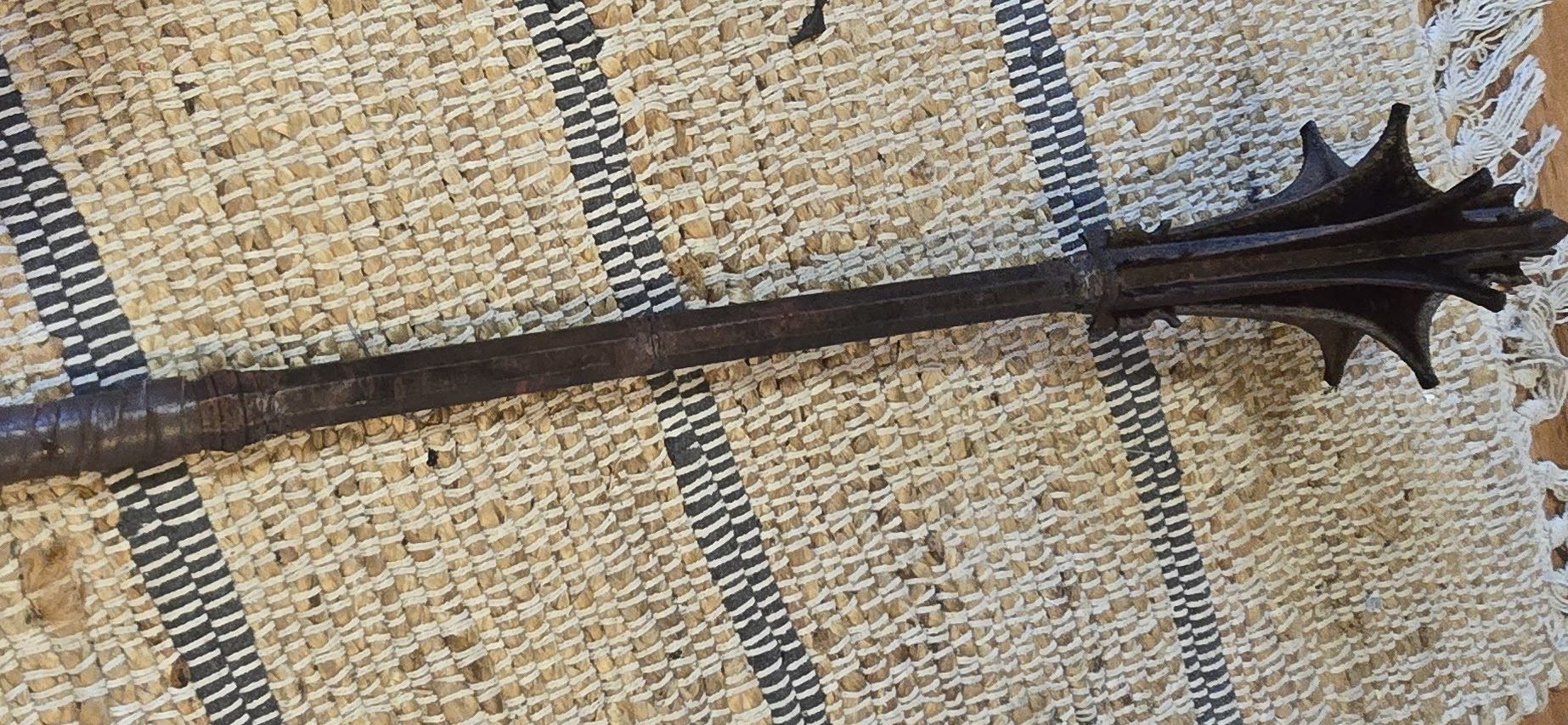
The science…
You would think that 3D printing props is just find a file, put it into the slicer, put it into the machine, hit a button and go…
This is not the case, in the case of my experimentation and ultimately the creation of my first stunt grade props I had to learn about materials and safety to performers.
Through my research I learned that TPU is one such material… the issue with it? It’s stringy as all hell if preparation is not done before hand and even then… you are likely to fail your first 2-3 prints because you need to make sure that you have the right material print profile and you have the right infill percentage (internal skeleton)
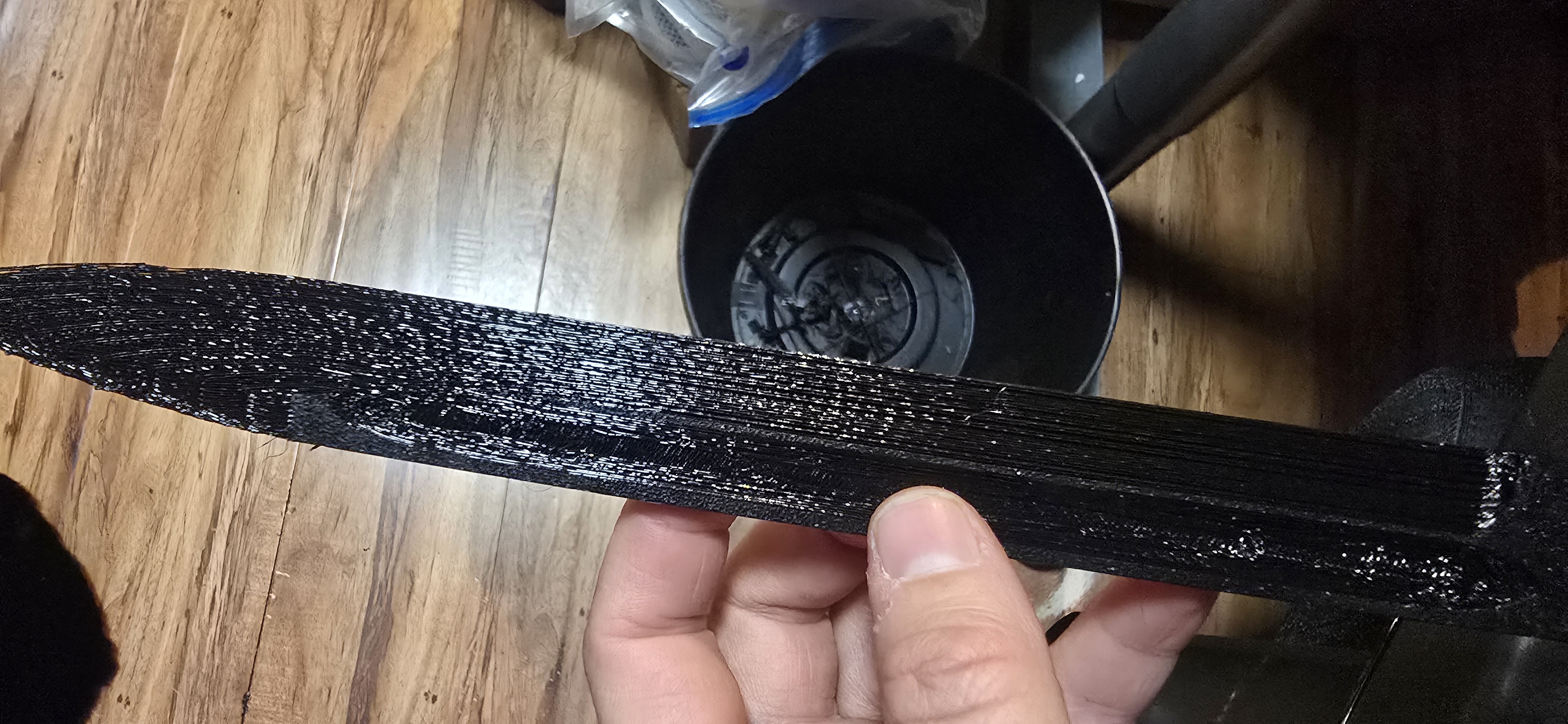
But what really what I found being an issue is that if I wasn’t watching properly, I would have either the nozzle clog, or the print would string tear, OR the filament even though it was dried correctly, it would get stuck in the extruder which means I would have to unload the filament and pull the stuck filament out. Normally this would a props builders worst nightmare if you have 4-5 failures at a time unless you managed to square out your issues. However, even if everything was perfect you are likely to get a failure and from talking to other props builders they still would rather mold and cast their props and use rubber or foam with a core.
I stuck with it and I eventually got what I was after and the results that the Stunt Coordinators were surprised and amazed at the durability of the props, how good it looked and that it didn’t have the usual Stunt Prop look and feel. It was lighter, stronger and with the paint that I had used for the prop, it didn’t degrade in that regard either.

